Understanding the Latest Trends in Chronic Pain Treatment


Introduction
Chronic pain affects millions worldwide, presenting a significant challenge for healthcare professionals and patients alike. Recent advancements in medical research and technology have led to innovative treatments that offer hope and relief. This blog post delves into the latest trends in chronic pain treatment, providing insights into cutting-edge therapies and approaches.

Non-Pharmacological Interventions
One of the most promising trends in chronic pain management is the increased focus on non-pharmacological interventions. These methods aim to reduce pain without relying on medications, minimizing the risk of addiction and side effects. Techniques such as cognitive-behavioral therapy (CBT), physical therapy, and acupuncture are gaining popularity for their effectiveness.
CBT, in particular, helps patients modify their thought patterns and behaviors related to pain, resulting in improved coping strategies. Physical therapy offers targeted exercises to strengthen muscles and improve mobility, while acupuncture provides relief through traditional Chinese medicine techniques.
Innovative Medical Devices
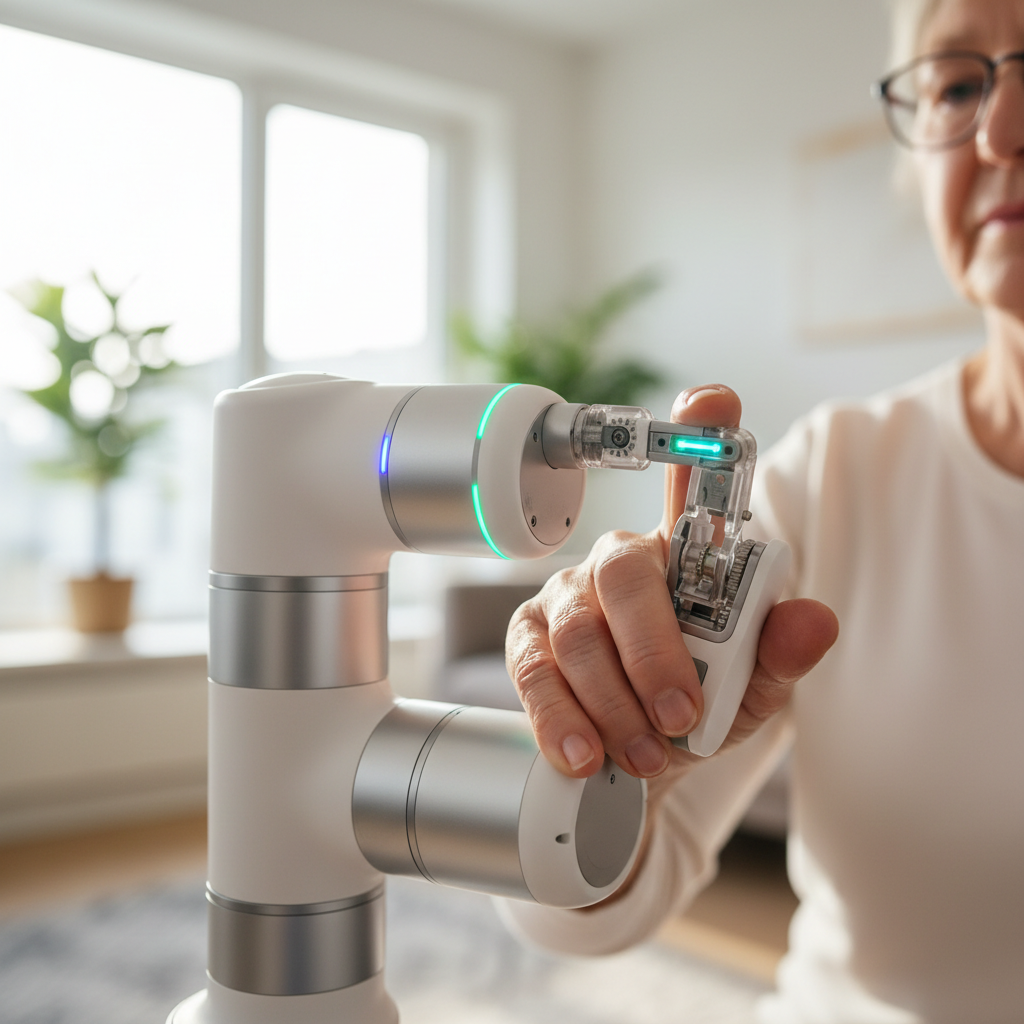
Another exciting trend is the use of advanced medical devices designed to manage chronic pain. Neuromodulation devices, such as spinal cord stimulators, are being increasingly used to interfere with pain signals before they reach the brain. These devices have shown promise in treating conditions like neuropathic pain and failed back surgery syndrome.

Wearable technology is also making waves in pain management. Devices that monitor physical activity and sleep patterns can provide valuable data to tailor treatment plans, while some wearables offer direct pain relief through electrical stimulation.
Regenerative Medicine
Regenerative medicine is becoming a game-changer in the field of chronic pain treatment. Techniques such as stem cell therapy and platelet-rich plasma (PRP) injections are being explored for their potential to heal damaged tissues and reduce inflammation. These therapies aim to address the root cause of pain rather than merely alleviating symptoms.
While still in the experimental stages, early studies have shown promising results, particularly for conditions like osteoarthritis and tendon injuries. As research continues, regenerative medicine may offer long-term solutions for chronic pain sufferers.
Personalized Pain Management
Personalized medicine is becoming increasingly important in chronic pain treatment. By considering a patient's genetic makeup, lifestyle, and specific pain characteristics, healthcare providers can develop tailored treatment plans that are more effective. This approach ensures that patients receive the right combination of therapies for their unique situation.
Advancements in genetic testing and biomarker research are paving the way for more personalized approaches, potentially leading to better outcomes and improved quality of life for those with chronic pain.
Conclusion
The landscape of chronic pain treatment is evolving rapidly, with new therapies and technologies offering hope to many. From non-pharmacological interventions to regenerative medicine and personalized approaches, these trends highlight a move towards more comprehensive and effective pain management strategies. As research and innovation continue to advance, the future looks brighter for those struggling with chronic pain.