Understanding the Latest Innovations in Spine Care


Introduction to Spine Care Innovations
The field of spine care has witnessed remarkable advancements over recent years. With the integration of cutting-edge technology and new medical techniques, patients are experiencing more effective treatments and shorter recovery times. Understanding these innovations can be crucial for patients, healthcare providers, and anyone interested in medical advancements.
Minimally Invasive Spine Surgery
One of the most significant breakthroughs in spine care is the development of minimally invasive spine surgery (MISS). Unlike traditional surgery, MISS involves smaller incisions, leading to reduced trauma to the muscles and tissues surrounding the spine. This approach not only minimizes pain but also speeds up recovery.
Several techniques are employed in MISS, including the use of tubular retractors and endoscopic tools. These allow surgeons to perform complex procedures with greater precision. As a result, patients benefit from less postoperative pain and a quicker return to daily activities.
Benefits of Minimally Invasive Techniques
The advantages of minimally invasive techniques extend beyond reduced recovery time. Patients often experience less blood loss during surgery and a lower risk of infection. Additionally, these techniques can often be performed on an outpatient basis, reducing hospital stays and associated costs.

Robotics and Navigation Systems
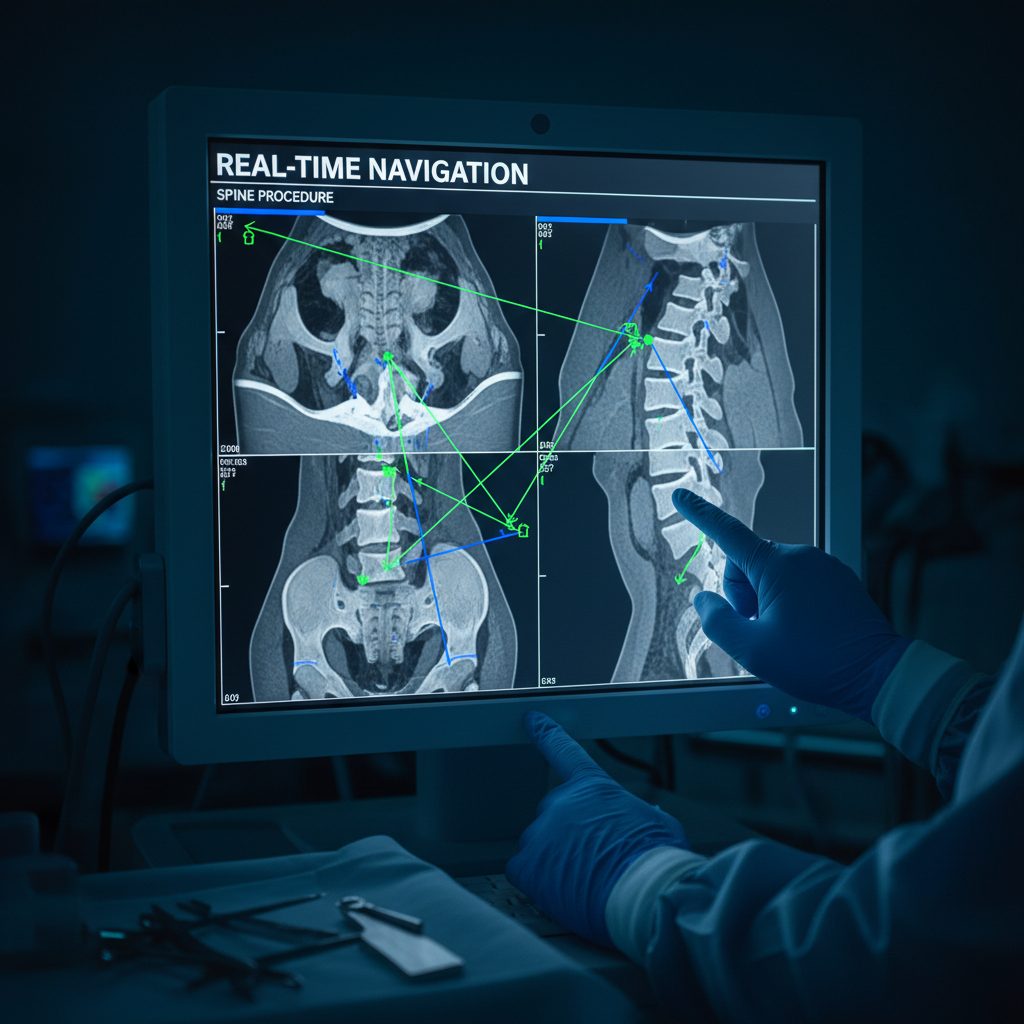
Robotic systems have become an integral part of modern spine surgery, providing surgeons with enhanced precision and control. These systems utilize real-time imaging and navigation to guide the surgical instruments, ensuring greater accuracy during complex procedures.
Robotic-assisted surgeries have been shown to improve outcomes, particularly in complex spinal deformity cases. The precision offered by robotic systems reduces the risk of human error and enhances the overall safety of surgical procedures.
Innovations in Imaging Technology
Imaging technology has also evolved, with 3D imaging and intraoperative CT scans offering detailed views of the spine. These innovations allow for better preoperative planning and intraoperative decision-making, ultimately leading to improved patient outcomes.

Regenerative Medicine and Spine Care
Another exciting development in spine care is the application of regenerative medicine. Techniques such as platelet-rich plasma (PRP) therapy and stem cell therapy are being used to promote healing and tissue regeneration. These treatments offer promising results for conditions like degenerative disc disease and chronic back pain.
Regenerative medicine focuses on harnessing the body's natural healing processes. By using the patient’s cells, these therapies aim to repair damaged tissues, offering a potential alternative to traditional surgical interventions.
Future Prospects in Regenerative Treatments
The future of regenerative treatments in spine care looks promising, with ongoing research and clinical trials paving the way for new applications. These therapies could become a cornerstone in treating a variety of spinal conditions, offering hope to patients seeking non-invasive alternatives.

Conclusion
The latest innovations in spine care are transforming the landscape of treatment options available to patients. From minimally invasive procedures to robotic-assisted surgeries and regenerative therapies, these advancements are paving the way for more effective and efficient care. Staying informed about these developments can empower patients and healthcare providers to make informed decisions about spine health.