Understanding Musculoskeletal Pain: Insights from a Leading Chicago Clinic


Introduction to Musculoskeletal Pain
Musculoskeletal pain affects millions of people worldwide, impacting their daily lives and overall well-being. It encompasses a wide range of conditions affecting muscles, bones, and joints. Understanding this type of pain is crucial for effective management and treatment.
In Chicago, a leading clinic specializes in diagnosing and treating musculoskeletal pain, offering patients hope and relief from discomfort. This blog post delves into insights provided by the clinic, offering a comprehensive understanding of musculoskeletal pain and its management.
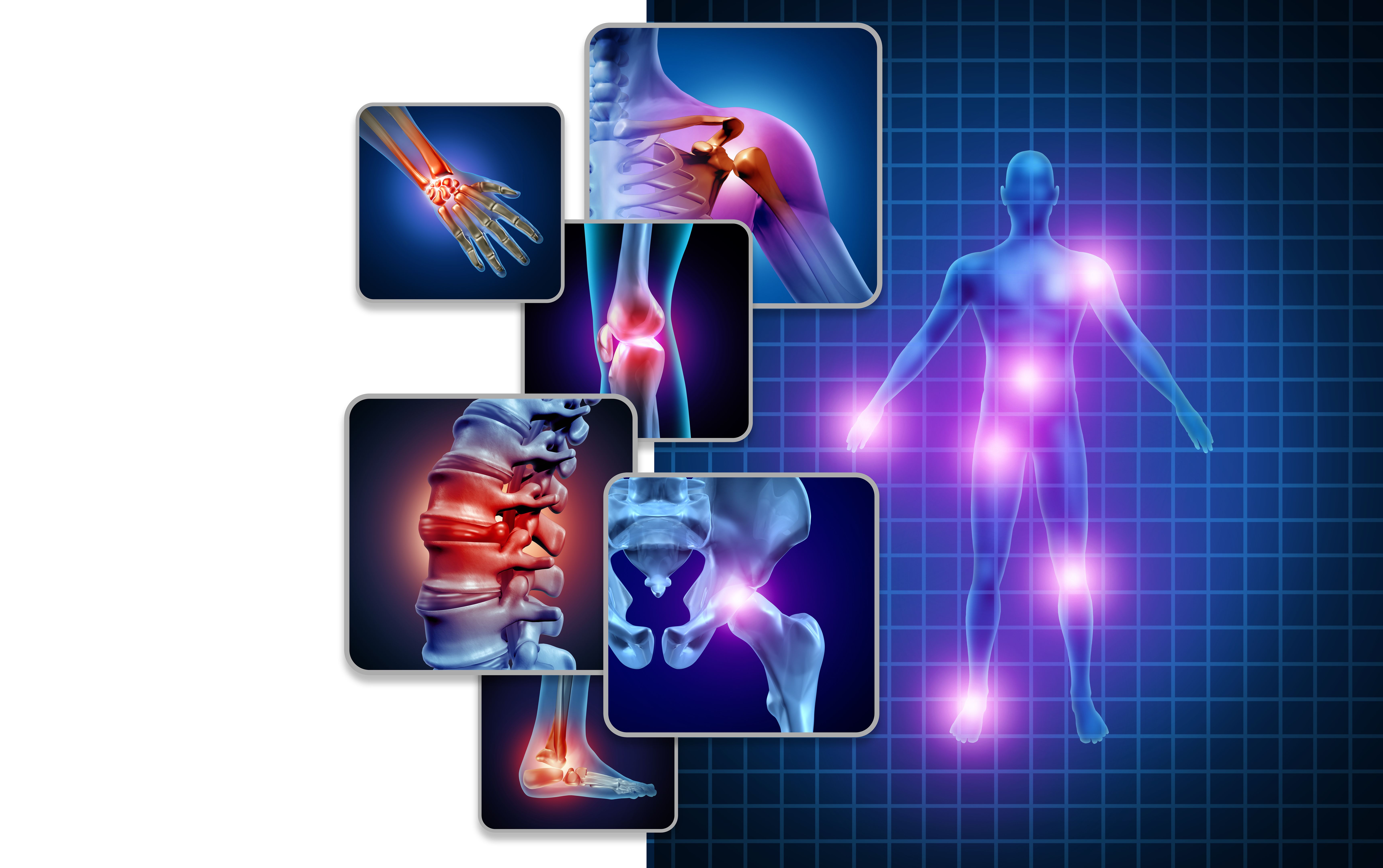
Common Causes of Musculoskeletal Pain
Musculoskeletal pain can arise from various factors, making it essential to identify the root cause for effective treatment. Here are some common causes:
- Injuries: Sprains, fractures, and dislocations can lead to acute pain.
- Overuse: Repetitive motions or overexertion can strain muscles and joints.
- Poor Posture: Incorrect posture can lead to chronic pain over time.
- Medical Conditions: Arthritis, fibromyalgia, and osteoporosis are common culprits.
Understanding these causes helps in creating personalized treatment plans for patients.
Symptoms to Watch For
Musculoskeletal pain presents itself through various symptoms. Recognizing these signs early can lead to timely intervention:
- Pain: Ranges from mild to severe, often worsening with movement.
- Stiffness: Reduced range of motion in affected areas.
- Swelling: Inflammation around joints or muscles.
- Fatigue: Persistent tiredness, especially with fibromyalgia.

Diagnosis and Evaluation
Accurate diagnosis is key to effective treatment. The Chicago clinic employs a multi-faceted approach to evaluate musculoskeletal pain, including:
- Detailed medical history review.
- Physical examinations focusing on affected areas.
- Imaging tests such as X-rays, MRIs, or CT scans.
- Blood tests to rule out underlying conditions.
These diagnostic tools help in identifying the specific cause of pain, allowing for a tailored treatment approach.
Treatment Options
Treatment for musculoskeletal pain varies based on the underlying cause and severity. The Chicago clinic offers a range of options:
- Physical Therapy: Exercises to strengthen muscles and improve flexibility.
- Medications: Pain relievers, anti-inflammatories, and muscle relaxants.
- Alternative Therapies: Acupuncture, chiropractic care, and massage therapy.
- Surgical Intervention: Reserved for severe cases that do not respond to other treatments.

Preventive Measures
Preventing musculoskeletal pain is as important as treating it. Here are some steps to consider:
- Maintain Good Posture: Proper alignment can reduce strain.
- Stay Active: Regular exercise keeps muscles and joints healthy.
- Use Proper Techniques: Whether lifting objects or typing, correct techniques prevent injury.
- Listen to Your Body: Rest when needed to avoid overuse injuries.
Incorporating these habits into your daily routine can significantly reduce the risk of developing musculoskeletal pain.
Conclusion
Understanding musculoskeletal pain is the first step toward effective management and relief. With the expertise of leading clinics in Chicago, patients can find tailored solutions to alleviate their pain and improve their quality of life. By staying informed and proactive, individuals can take control of their musculoskeletal health.