Innovative Trends in Musculoskeletal Pain Management


Understanding Musculoskeletal Pain
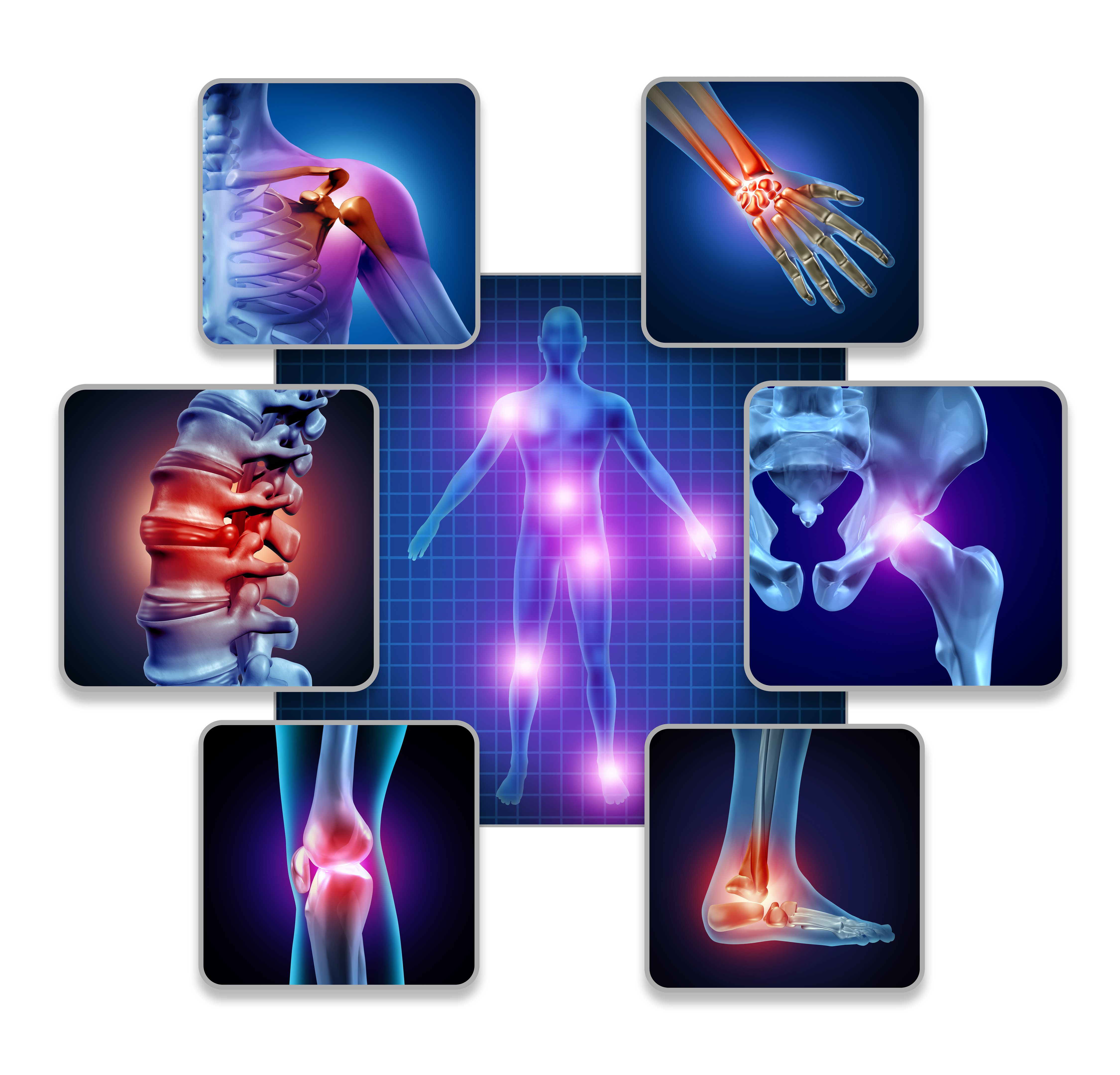
Musculoskeletal pain affects millions worldwide, impacting daily life and productivity. This type of pain can originate from muscles, bones, ligaments, tendons, or nerves. Understanding and managing it effectively is crucial for improving quality of life.
Advancements in Diagnostic Tools
Recent innovations in diagnostic tools have revolutionized how we approach musculoskeletal pain. Technologies like MRI and ultrasound have become more advanced, providing detailed images that help in accurate diagnosis. These tools allow healthcare professionals to pinpoint the exact source of pain, leading to more targeted treatments.
Moreover, wearable technology is gaining traction. These devices monitor movement and body mechanics, offering real-time data that can be used to analyze the root causes of pain and track the effectiveness of treatments.
Non-Invasive Treatment Options
There is a growing shift towards non-invasive pain management techniques. Physical therapy and occupational therapy have evolved, incorporating new exercises that focus on strengthening and flexibility. These therapies are tailored to individual needs, making them highly effective.

Additionally, cognitive-behavioral therapy (CBT) is being used to address the psychological aspects of chronic pain. This approach helps individuals alter pain perception and develop coping strategies.
Innovative Medications and Supplements
Pharmacological advancements have introduced new medications that target specific pain pathways. These medications aim to reduce pain with fewer side effects compared to traditional painkillers. Furthermore, natural supplements like turmeric and omega-3 fatty acids are gaining popularity for their anti-inflammatory properties.
- Turmeric: Known for its anti-inflammatory effects.
- Omega-3 Fatty Acids: May help reduce joint pain and stiffness.
- Glucosamine: Often used to support joint health.
Technological Innovations in Pain Management
Technology is playing a pivotal role in pain management. Virtual reality (VR) is being explored as a tool for pain distraction, offering immersive experiences that help take the mind off discomfort. Similarly, telemedicine platforms are making it easier for patients to access expert care without leaving their homes.

Another promising innovation is the use of biofeedback devices. These devices provide feedback on physiological functions, helping patients learn to control bodily processes that influence pain.
Future Directions
The future of musculoskeletal pain management looks promising with ongoing research and development. Personalized medicine, which tailors treatment plans based on genetic information, is on the horizon. This approach aims to provide more effective and individualized care.
As technology and medical understanding continue to evolve, the possibilities for improving musculoskeletal pain management are expanding, offering hope to those affected by chronic pain.