DIY Tips for Managing Mild Back Pain at Home


Understanding Mild Back Pain
Back pain is a common issue affecting millions of people worldwide. While severe cases require medical intervention, mild back pain can often be managed at home with some simple DIY techniques. Understanding the causes and taking proactive steps can help alleviate discomfort and improve your quality of life.

Maintaining Proper Posture
One of the leading causes of back pain is poor posture. Whether you're sitting at a desk, standing, or lying down, maintaining proper alignment of your spine is crucial. Use ergonomic furniture and take frequent breaks to stretch and move around. Consider setting a timer to remind yourself to adjust your position regularly.
When sitting, keep your feet flat on the floor, and your knees at a right angle. Standing for long periods? Shift your weight from one foot to the other to reduce strain. These small adjustments can make a significant difference.
Exercises and Stretching
Incorporating specific exercises and stretches into your daily routine can strengthen the muscles supporting your back. Focus on exercises that target your core, as a strong core helps stabilize the spine and reduce pain.
- Cat-Cow Stretch: This yoga move helps in gently stretching the back muscles.
- Pelvic Tilts: These help in stabilizing the spine and improving flexibility.
- Bridges: Strengthens the lower back and glutes.

Applying Heat and Cold
Heat and cold therapy can be effective in managing mild back pain. Apply a cold pack to reduce inflammation and numb the area, especially after a recent injury. After 48 hours, switch to heat therapy to relax and loosen tissues and stimulate blood flow to the area.
Use a heating pad or take a warm bath to soothe tight muscles. Just remember, moderation is key to avoid burns or further irritation.
Over-the-Counter Remedies
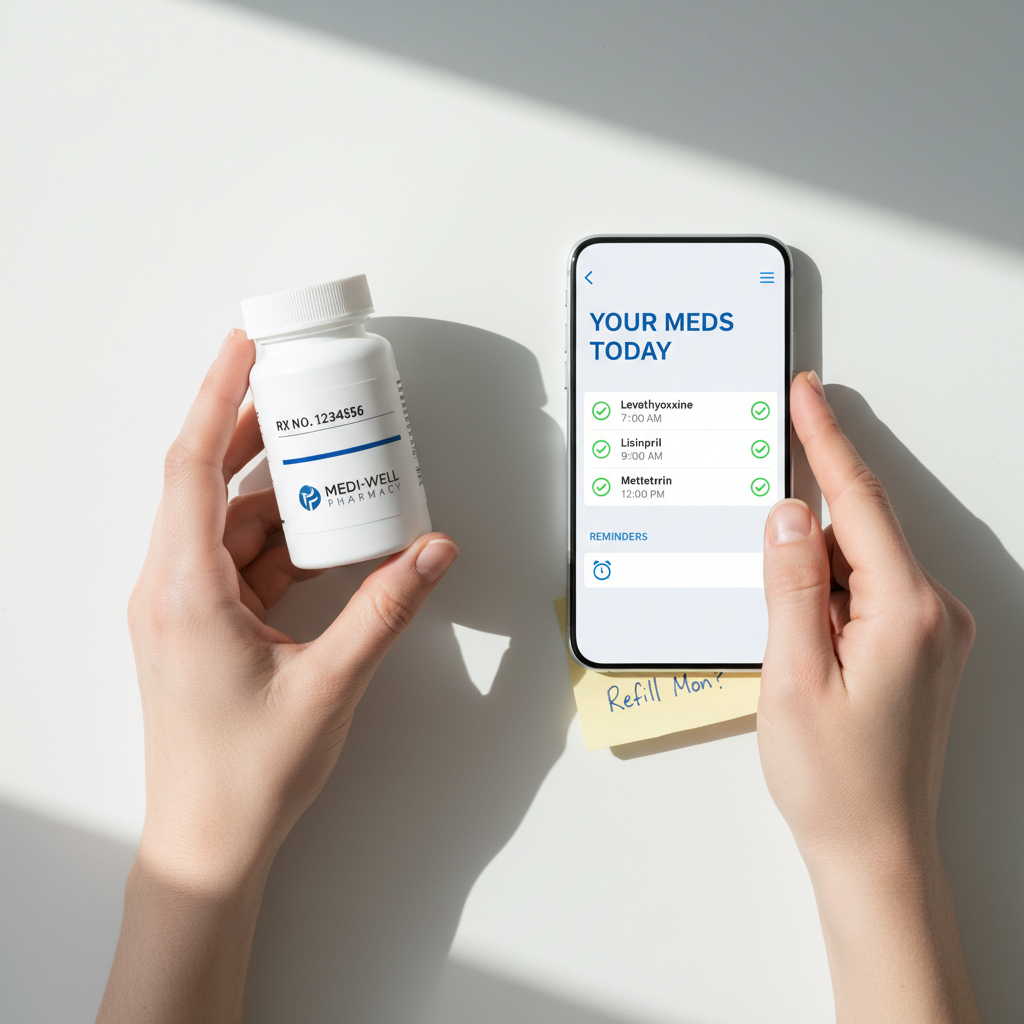
Over-the-counter (OTC) medications like ibuprofen or acetaminophen can help reduce inflammation and relieve pain. However, it's essential to follow the recommended dosage and consult with a healthcare provider if you have any underlying health issues.
Mindful Techniques
Stress can exacerbate back pain, so incorporating mindfulness practices such as meditation or deep breathing exercises may help. These techniques can promote relaxation and reduce tension in the muscles.
Consider setting aside a few minutes each day for mindfulness practices. This can improve not only physical pain but also mental well-being.
When to Seek Professional Help
While these DIY tips can be beneficial, it's important to know when to seek professional help. If your back pain persists for more than a few weeks, or if it's accompanied by other symptoms such as numbness or weakness, consult a healthcare provider.
Remember, taking proactive steps at home can often alleviate mild back pain effectively, but professional guidance is crucial for more severe cases.