Common Misconceptions About Interventional Pain Treatments


Understanding Interventional Pain Treatments
Interventional pain treatments are medical procedures aimed at directly alleviating pain, often for individuals who have not found relief through conventional methods. Despite their effectiveness, there are several misconceptions surrounding these treatments, which can lead to hesitation or misunderstanding among patients.

Misconception 1: Interventional Treatments Are Only for Severe Cases
One common misconception is that interventional pain treatments are reserved solely for severe cases. In reality, these treatments can be beneficial for a range of pain levels, from chronic back pain to migraines. They offer a proactive approach to pain management, allowing individuals to regain control over their lives sooner rather than later.
Early intervention can prevent the progression of pain and reduce the risk of developing more severe conditions. It's important for patients to consult with their healthcare providers to determine the best course of action, regardless of the current intensity of their pain.
Misconception 2: These Treatments Are Invasive
Another myth is that interventional pain treatments are highly invasive. While the term "interventional" may sound intimidating, many of these procedures are minimally invasive and performed on an outpatient basis. Techniques such as nerve blocks, epidural injections, and radiofrequency ablation are designed to target specific areas, minimizing discomfort and recovery time.
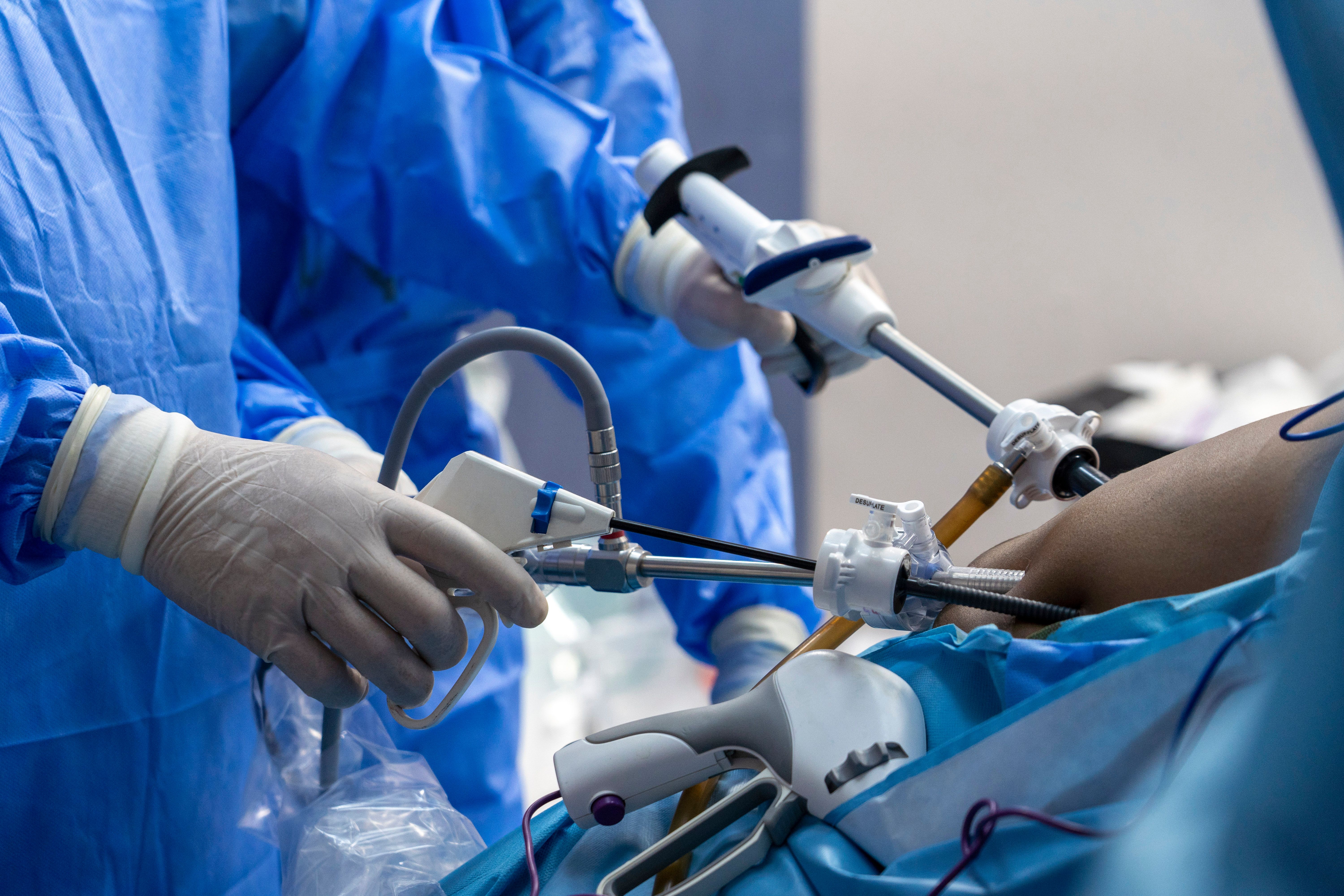
These procedures are typically guided by imaging technology, ensuring precision and effectiveness. Patients often experience significant relief with minimal disruption to their daily activities.
Misconception 3: Interventional Treatments Are a Last Resort
Some people believe that interventional treatments should only be considered after all other options have been exhausted. However, these treatments can be integrated into a comprehensive pain management plan from the outset. Combining them with physical therapy, medication, and lifestyle changes can enhance overall outcomes.

It's essential for patients to have open discussions with their healthcare providers about their pain management goals and explore all available options, including interventional treatments, early in their care journey.
Misconception 4: All Pain Relief Is Immediate and Permanent
While interventional treatments can provide rapid pain relief, it's important to note that results can vary. Some patients may experience immediate relief, while others may notice gradual improvement. Additionally, the duration of relief can differ based on individual conditions and the type of treatment.
Continued collaboration with healthcare providers is crucial to monitor progress and make necessary adjustments to the treatment plan. Understanding that pain management is an ongoing process can help set realistic expectations.
Conclusion
Interventional pain treatments offer a viable and effective solution for many individuals suffering from chronic pain. By debunking these common misconceptions, patients can make informed decisions about their health and take proactive steps towards a more comfortable and active lifestyle. Consultation with a qualified healthcare provider is the first step in exploring the benefits of these innovative treatments.